September 4, 2026
Maintaining an attractive and safe community requires continuous oversight, detailed planning, and a firm commitment to established architectural standards. Residential associations oversee expansive common grounds, lined streets, and private lots that demand routine care to preserve overall property values and visual harmony. Managing mature timber across a sprawling neighborhood involves balancing aesthetic preferences with structural safety, regulatory mandates, and environmental health. Board members must establish comprehensive policies that define clear responsibilities for individual property owners while managing shared green spaces effectively. Implementing a dedicated HOA tree service plan ensures that every canopy within the development receives professional evaluation, consistent pruning, and timely risk mitigation to prevent costly damages and maintain compliance with community covenants.
Understanding Architectural Guidelines for Neighborhood Trees
Community covenants and restriction documents outline clear expectations regarding landscape modifications, plant choices, and maintenance schedules. According to Datainsightsreports.com, the residential tree services market is poised for significant growth, with an estimated market size of USD 16.34 billion in 2026. This financial expansion underscores how heavily homeowners rely on professional expertise to uphold neighborhood standards and protect valuable real estate investments. Clear guidelines specify permissible species, height limits near structures, and distance requirements from sidewalks, roadways, or underground utility connections. When property owners understand these parameters, disputes diminish, and neighborhood aesthetics remain cohesive across all residential blocks.
Board leaders must communicate these rules clearly through regular newsletters, community portals, and annual informational meetings. Providing detailed educational materials helps residents recognize when an individual tree requires structural trimming or professional removal. Furthermore, partnering with a dependable HOA tree service allows the board to offer pre-approved vendor options to residents, simplifying the approval process for private yard care. Streamlining architectural review procedures encourages timely compliance and ensures that personal landscaping decisions align seamlessly with the overarching vision of the entire housing development.
Establishing Clear Maintenance Protocols for Common Areas
Shared green spaces, community parks, and entranceways form the visual backbone of any master-planned neighborhood. These high-traffic areas require structured care schedules to keep footpaths clear, maintain open sightlines for drivers, and foster vibrant plant growth. Establishing defined protocols for routine pruning, crown thinning, and clear zone clearance prevents overgrown branches from encroaching on roadways, pedestrian paths, or streetlights. Consistent attention to these shared zones creates a welcoming atmosphere for residents and prospective buyers alike while demonstrating proactive governance from community leadership.
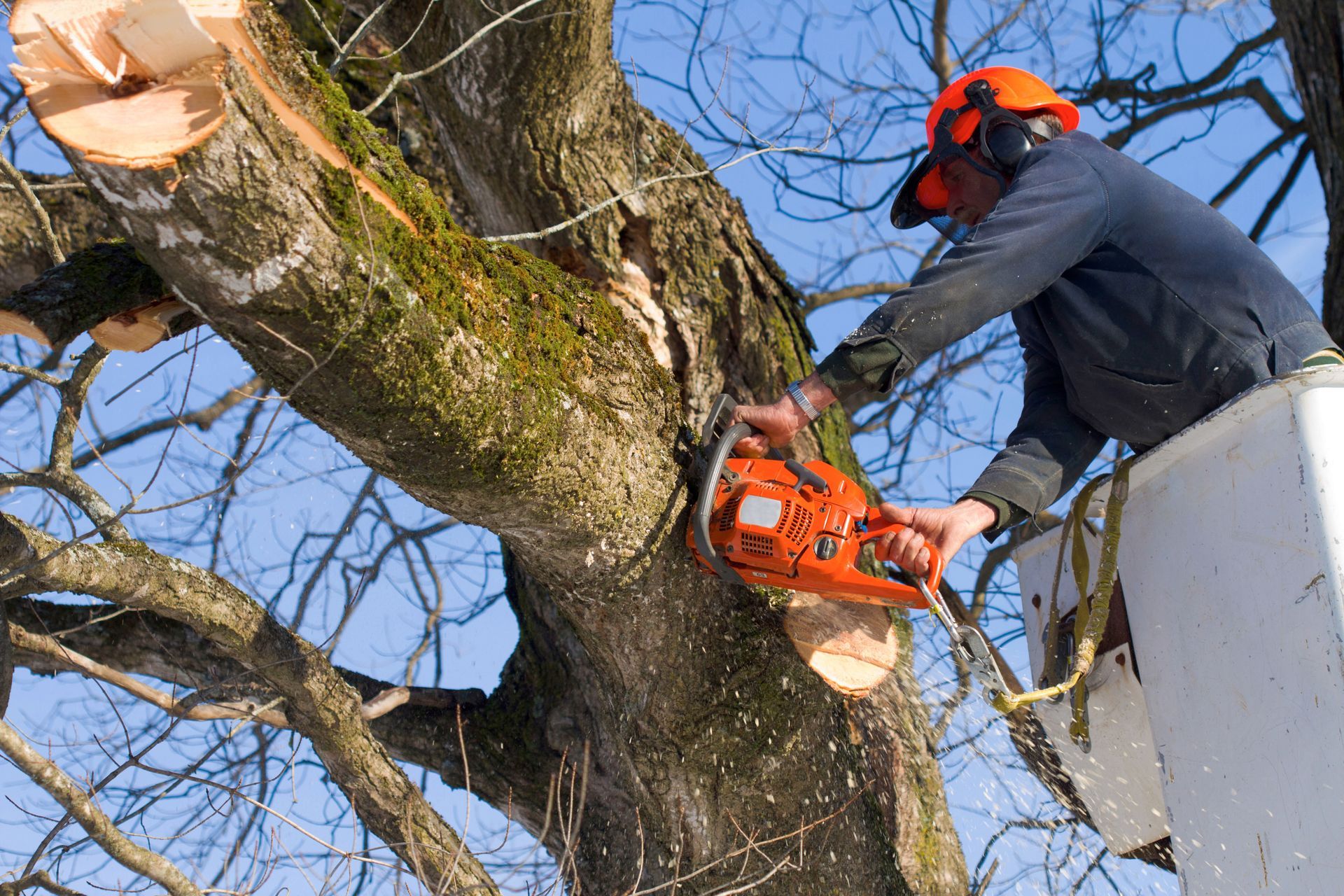
Developing a strategic maintenance routine involves seasonal assessments to identify deadwood, structural weaknesses, or encroaching limbs before they become serious hazards. Relying on an experienced HOA tree service ensures that heavy equipment and specialized personnel handle large-scale canopy management safely. Professional crews can systematically address extensive greenbelts, removing hazardous branches without disturbing surrounding turf or decorative gardens. Documenting these regular maintenance efforts provides clear evidence of proper management, reassuring homeowners that shared assets are receiving maximum protection and expert oversight throughout the entire calendar year.
Preventing Liability Concerns Through Routine Maintenance
Tree care in shared communities is a matter of public safety as well as physical appearance. Overhanging branches, rotting trunks, and decaying root systems present severe risks during winter storms, high winds, or heavy downpours. Unaddressed hazards can lead to falling limbs that damage private vehicles, compromise residential roofs, or cause personal injury in pedestrian walkways. Proactive hazard mitigation shields the board from potential negligence claims and ensures that property management meets standard duty of care obligations under community covenants.
Regular inspections allow certified professionals to detect internal decay, fungal infections, or structural cracks long before a catastrophic failure occurs. Enlisting an expert HOA tree service to conduct structural risk assessments helps prioritize urgent removals and necessary stabilization efforts. Timely interventions minimize emergency response costs and protect community infrastructure like drainage systems, retaining walls, fences, and paved surfaces from invasive root systems. Investing in prevention safeguards the financial stability of the association while providing complete peace of mind to all neighborhood residents.
Partnering With Qualified Arborists for Community Projects
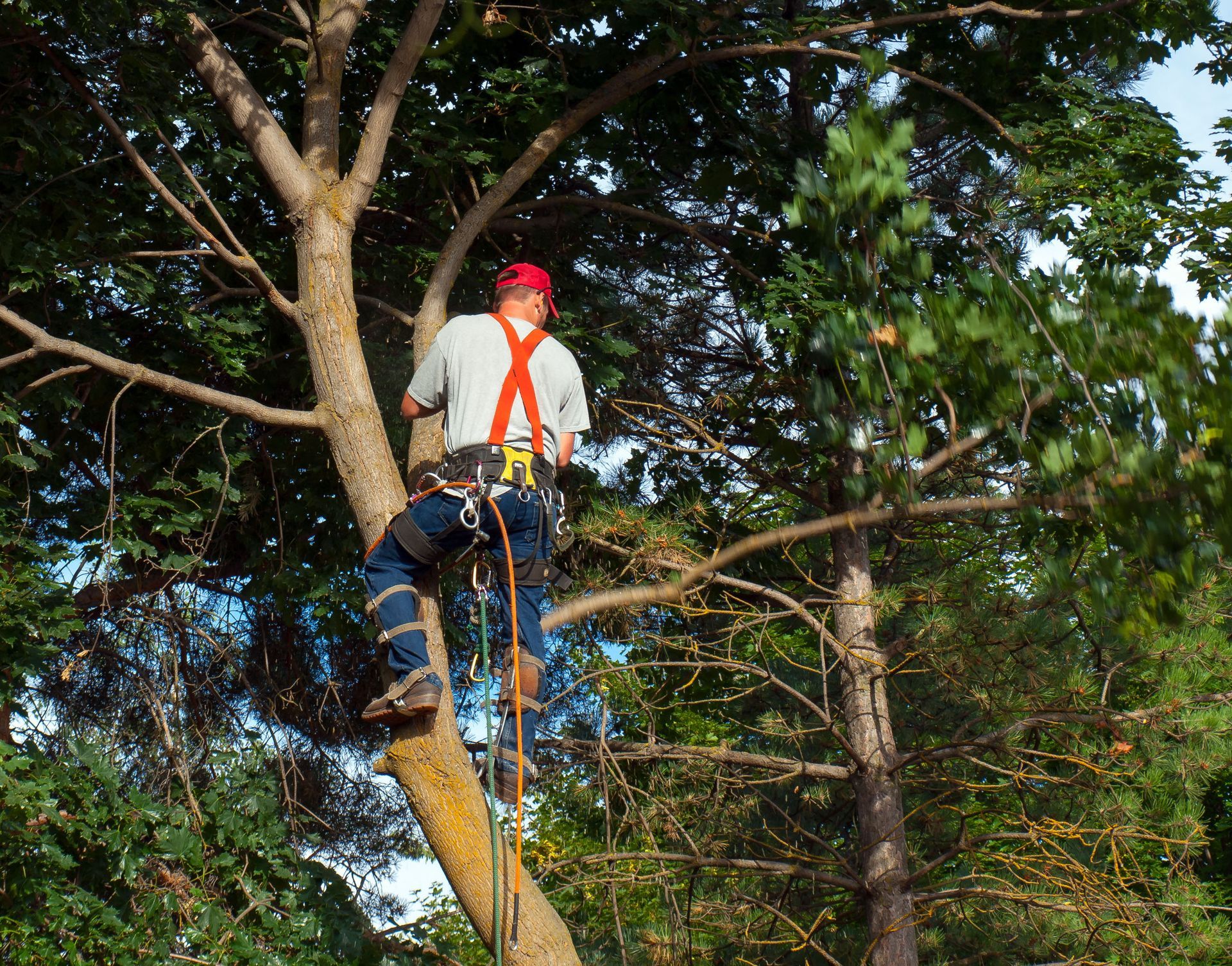
Managing urban forests requires specialized technical knowledge that extends far beyond basic lawn mowing or hedge trimming. Certified arborists understand soil composition, species-specific growth patterns, pest resistance, and correct pruning techniques that promote long-term vitality. Attempting complex structural pruning without qualified personnel can cause permanent damage, leaving timber vulnerable to disease and decay. Partnering with trained professionals ensures that all work complies with industry standards and local municipal regulations regarding tree preservation.
A reputable HOA tree service brings advanced diagnostic tools, heavy machinery, and rigorous safety procedures to every community project. Qualified teams evaluate soil health, diagnose subtle plant diseases, and recommend corrective treatments that preserve mature shade canopy across common properties. Furthermore, professional arborists assist boards in developing multiyear budget forecasts, allowing leadership to allocate reserve funds efficiently for future plantings, removals, or emergency responses. Collaborating with certified specialists secures the long-term success and vitality of all community forestry initiatives.
Balancing Aesthetics With Environmental Responsibility
Modern community planning emphasizes sustainable landscaping principles that support local ecosystems while maintaining clean visual standards. Mature trees offer critical environmental benefits, including natural shade, stormwater absorption, ambient temperature reduction, and habitat creation for local wildlife. Balancing these ecological advantages with community standards requires careful selection of native species that thrive without excessive irrigation or aggressive root expansion. Thoughtful planning transforms neighborhood grounds into resilient, environmentally responsible habitats that enhance resident well-being.
Integrating sustainability into community management involves phased replanting programs when aging or diseased timber must be removed. Utilizing a knowledgeable HOA tree service ensures that replacement species match the local climate, soil structure, and space constraints of the neighborhood. Professional teams can grind stumps, enrich soil conditions, and plant robust saplings that will flourish for decades to come. Prioritizing ecological health enhances overall neighborhood charm while reducing long-term irrigation and chemical treatment expenditures across all shared facilities.
Implementing Proactive Inspections for Long-Term Health
Long-term management of community greenery requires continuous monitoring rather than reactive fixes after severe weather events. Establishing an annual inspection schedule allows arborists to track growth trends, evaluate structural changes, and detect early signs of pest infestations across common areas. Early detection of issues such as emerald ash borer or root rot allows for targeted treatments that save mature foliage and prevent widespread removal costs. Systematic monitoring keeps neighborhood foliage healthy, vibrant, and resilient against seasonal climate stresses.
Comprehensive tracking records create a historical baseline for every major plant asset within the housing development. Work orders, treatment histories, and risk assessments help board members make informed financial and operational decisions during annual budget preparation. Engaging a dedicated HOA tree service to execute these recurring health checks guarantees consistent documentation and timely execution of necessary maintenance. Structured monitoring protects community investments, preserves canopy coverage, and maintains full compliance with local environmental ordinances.
Effective community management requires a balanced approach that combines clear policy enforcement, proactive safety measures, and long-term ecological planning. Maintaining healthy neighborhood timber enhances property values, protects common infrastructure, and creates a safe, beautiful environment for all residents to enjoy. By establishing structured maintenance protocols, performing regular risk assessments, and adhering to architectural guidelines, board members can avoid costly emergency expenditures and keep common grounds compliant with association standards. Protecting your neighborhood landscape investments requires seasoned expertise and dedicated professional care. To safeguard your community greenery and ensure complete regulatory compliance, contact Upper Bay Arborist.