May 5, 2026
Proper care and maintenance of your landscape are vital for protecting your property when severe weather strikes. Expert management of your trees helps minimize structural damage and reduces the risk of falling limbs during high winds. By utilizing professional tree services, you can identify hidden vulnerabilities and address them before storm season begins, establishing peace of mind and improvements in the long-term resilience of your home and garden.
Inspecting Trees Regularly for Health
Regular tree inspections are essential in identifying potential hazards before they become catastrophic issues. Expert arborists can spot signs of decay or disease, which could compromise a tree's stability during storms. Early detection allows for preventive measures, reducing the likelihood of trees becoming dangerous projectiles. Regular inspections not only safeguard property but also promote the healthy growth of trees.
While some homeowners might attempt a DIY evaluation of their trees, the complexity of tree care often requires professional expertise. Many properties benefit when tree services are utilized to provide specialized knowledge for accurately assessing a tree's health and structural integrity. They can identify issues invisible to the untrained eye, such as internal rotting or pest infestations. Professional assessments are more reliable, providing a thorough evaluation of the risks a tree poses to your home.
The impact of seasonal changes on trees cannot be underestimated. Different weather patterns influence the health and structure of trees, affecting their overall stability. Spring's blossoming and growth might hide underlying instabilities caused by winter's harsh conditions. Similarly, the summer heat can stress trees, while strong autumn winds often test their resilience. By scheduling tree services to document growth over time, homeowners gain crucial insights into health and potential hazards.
Pruning and Trimming for Structural Safety
Pruning and trimming are essential tree maintenance practices that significantly enhance safety during storms. Proper pruning techniques reduce wind resistance by thinning the tree canopy, allowing winds to pass through more freely. This structural adjustment minimizes the chances of the tree being uprooted or broken during strong winds. Removing dead or weak branches further protects against storm damage, as these are more likely to break off unexpectedly.
Maintaining appropriate clearance from structures is another critical aspect of pruning. Trees too close to buildings, power lines, or other structures can become liabilities during storms. Strategic pruning keeps branches away from rooftops and power lines, mitigating risks of impact damage or electrical outages. This proactive approach is not just about tree aesthetics; it’s a vital safety measure that protects your home and the surrounding areas.
Pruning must be adapted to species-specific needs. Different tree species have varied growth patterns and structural characteristics that dictate unique pruning requirements. Understanding these differences and applying appropriate techniques helps each tree stay safe and healthy. Furthermore, timing the pruning activity with weather patterns maximizes the benefits; for instance, avoiding pruning in late summer reduces disease spread.
Removing Hazardous Trees in Emergencies
Emergency tree services are vital when trees pose imminent threats due to weakened structures or damage. Some trees may not withstand storms, making timely removal crucial to prevent potential harm. Identifying hazardous trees early is essential, especially before storm season. According to TreeRemovalCostCalculator.net, it can take one or two hours to remove a standard sized, emphasizing the importance of prompt action.
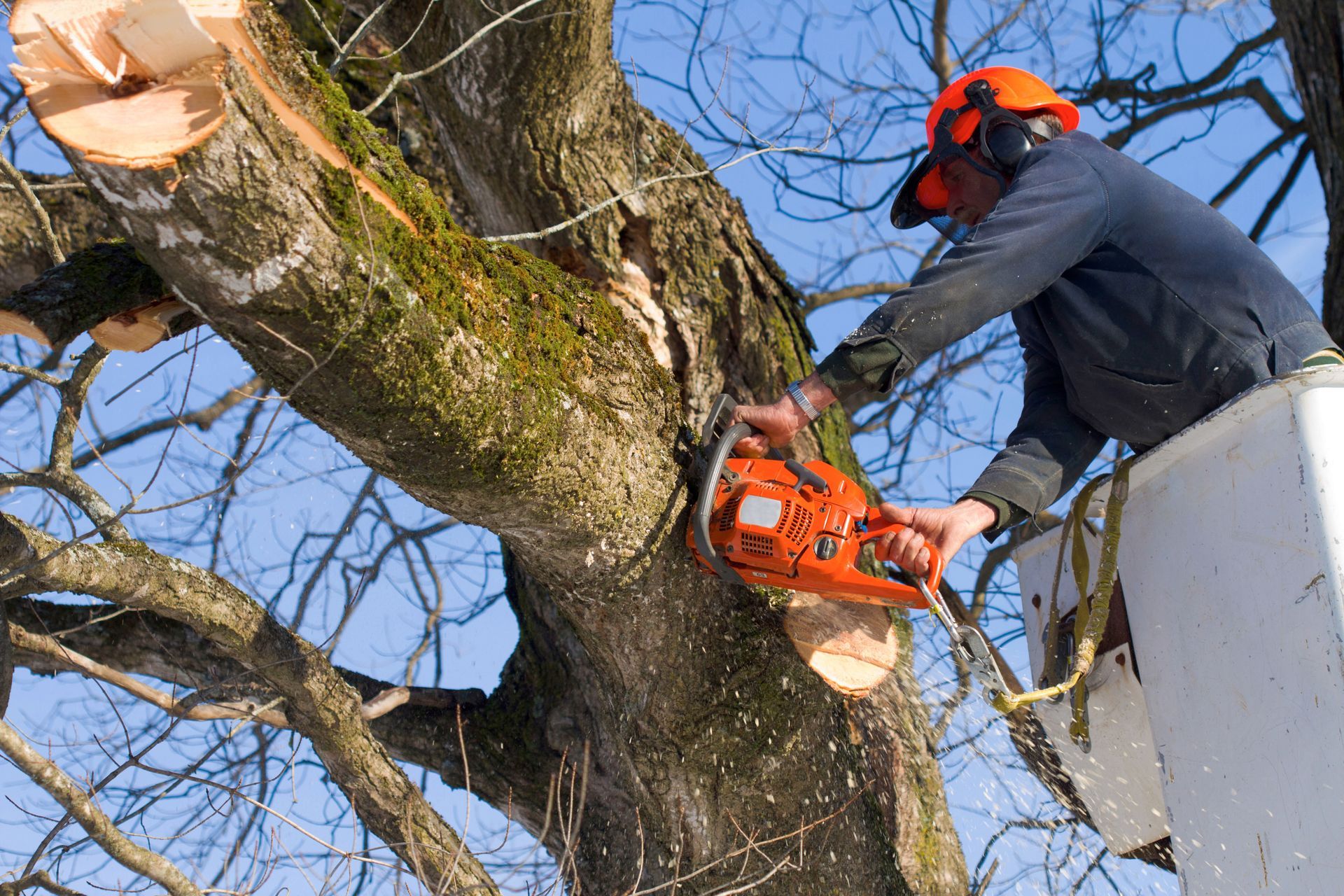
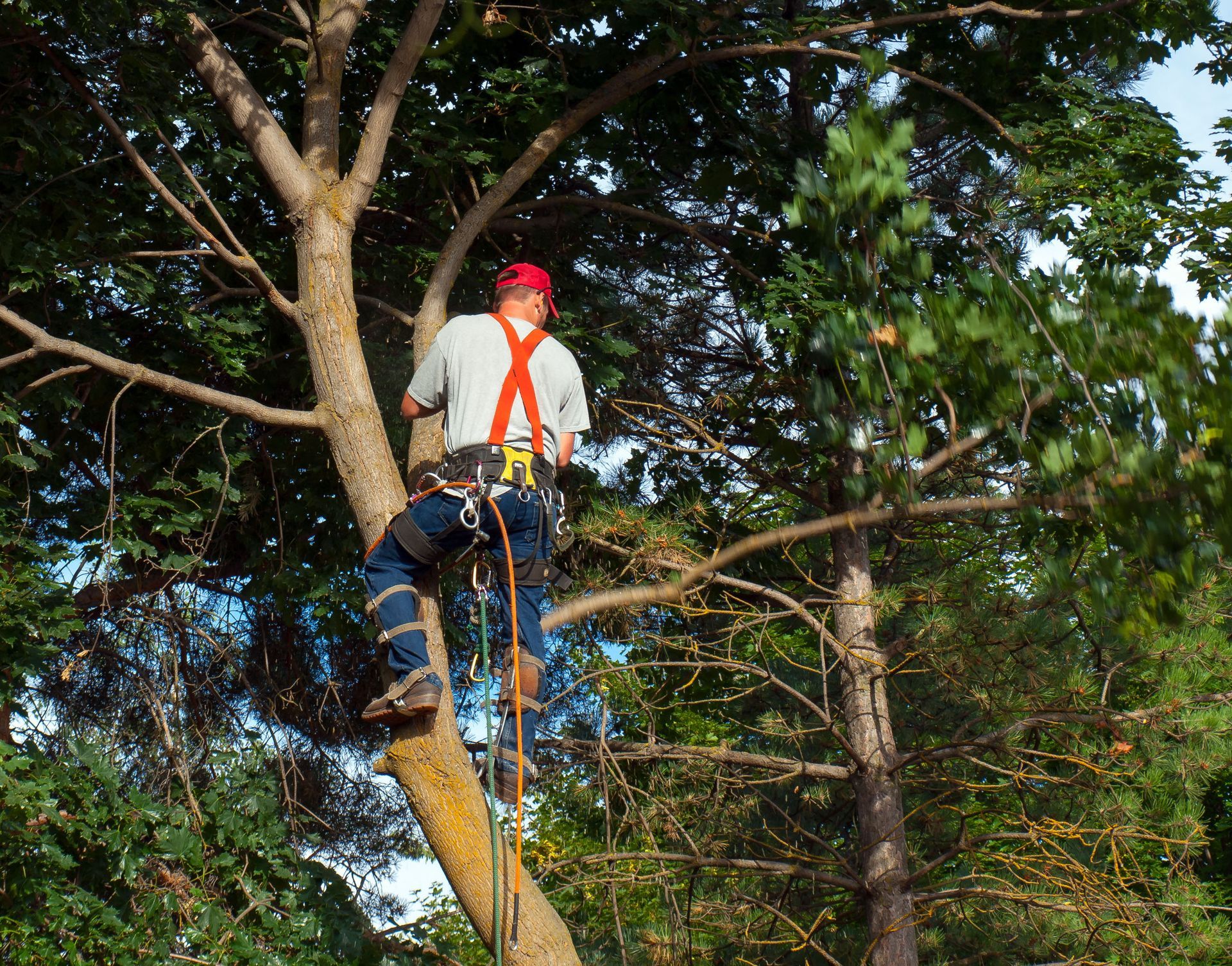
Efficient tree removal follows a series of carefully planned steps and methods. Expertise in safely dismantling hazardous trees is critical to verify that no additional property damage occurs during the process. Special equipment and techniques are used to safely lower branches and trunk sections, preventing unintended consequences. Comprehensive debris management and disposal procedures are integral, maintaining clean and safe conditions post-removal.
After hazardous trees are removed, property restoration must follow. This involves repairing any damage to the landscape caused during removal and confirming that no dangerous remnants remain. Debris is cleared, and damaged ground is restored, returning the area to its natural state. For more substantial landscaping challenges, professional tree services might be needed to replant or re-landscape affected areas.
Planning Strategic Landscaping for Resilience
Strategic tree planting is essential for enhancing storm resilience. By choosing storm-resistant tree species, homeowners can verify their properties are better prepared for severe weather. These trees are chosen based on their ability to withstand strong winds and heavy rain. Proper placement prevents potential hazards, as trees positioned too close to buildings or power lines could pose risks.
Creating windbreaks with tree lines is a common landscaping strategy to reduce wind speed and its damaging effects. Rows of carefully selected trees can shield homes and gardens from the worst weather impacts. By integrating trees with other landscaping features, a multilayered defense system is established. This can include shrubs, fences, or terrain shaping to further absorb and deflect wind.
In landscaping, considering the long-term growth and development of trees is crucial. Planning for mature tree size and canopy spread avoids future conflicts with structures and maintains continued safety. Landscapes evolve, and anticipating changes from tree growth creates safer and more sustainable environments. Arborists help design these landscapes, helping to find the right balance of aesthetics and practicality.
Managing Soil and Root Care Stability
Enhancing root system stability is a fundamental aspect of safeguarding trees against storm damage. Strong root networks anchor trees firmly, preventing uprooting and damage during high winds. Techniques such as pruning roots in moderation encourage healthy growth patterns. Aerating soil helps, too, as it reduces compaction, allowing roots to spread and secure firmly into the ground. Comprehensive soil care boosts the resilience and health of trees, fortifying them against harsh weather conditions.
Addressing root compaction issues is another vital component of root health strategies. Compacted soil limits air space for roots, making trees unstable and susceptible to storm damage. Aeration techniques, combined with soil amendments, help maintain soil health. Mulching plays a pivotal role, enhancing soil moisture retention and buffering against temperature extremes.
Soil amendments are deployed to boost tree health ahead of storm season. Nutrient-rich additions improve root development and overall plant vigor, contributing to more resilient trees. By addressing specific soil deficiencies, trees grow stronger, resulting in a robust landscape. Mulching further supports this process, providing thermal insulation and protecting roots against temperature fluctuations.
Evaluating Insurance and Liability Considerations
An understanding of home insurance policies related to tree damage is vital for homeowners during storm season. Policies vary, often covering property damage caused by fallen trees but might not cover the tree's removal. Familiarizing oneself with specific policy terms helps maintain realistic expectations and financial preparedness. Legal responsibilities require maintaining trees to prevent harm to neighboring properties. Professional tree services help demonstrate due diligence and minimize legal liabilities.
Documenting tree maintenance activities is crucial for substantiating insurance claims post-storm. Records of regular inspections, pruning, and other maintenance activities serve as evidence for insurance purposes. These documents illustrate a proactive approach to risk management, assisting in smooth claim processing with insurance adjusters. Such comprehensive documentation promotes clear communication with insurers, proving efforts to reduce storm-related threats.
Minimizing liability through professional care protects homeowners during and after storm events. Properly maintained trees reduce potential hazards, securing surrounding properties from impact damage. Engaging experienced arborists not only helps reach optimal tree health but also showcases a commitment to maintaining safe living environments.
Professional tree services are essential in protecting your home during storm season. By understanding the various options offered and their importance, homeowners help protect their property against storm-related tree hazards. This comprehensive care not only preserves the beauty and health of your landscape but also safeguards your home and family. Contact Upper Bay Arborist today to schedule your comprehensive inspection and prepare your property for storm season.